A Comprehensive Guide to Screening for Social Anxiety: Tools, Accuracy, and Next Steps
- 18 December 2025
What the Screening Measures
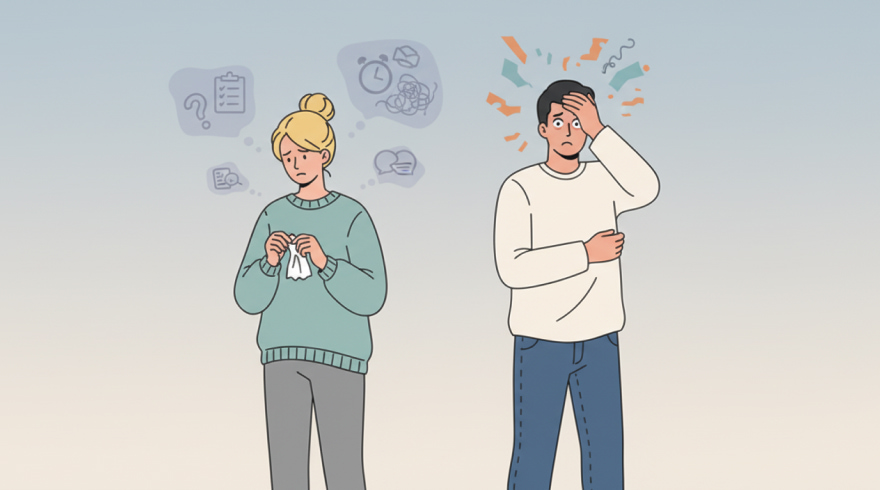
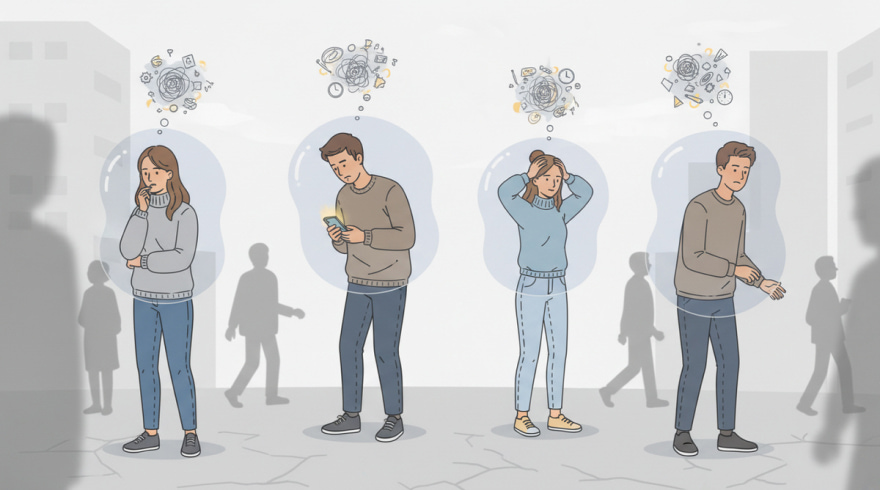
Feeling uneasy in social situations can range from everyday shyness to a clinical condition that disrupts work, school, or relationships. A well-constructed screening helps translate fuzzy discomfort into observable patterns, offering language for symptoms that are otherwise hard to name. The goal is not to label you instantly, but to provide a structured snapshot that clarifies where you stand today and how your experiences compare with established indicators.
People often wonder how to begin when worries start affecting daily life. Many individuals start with a social anxiety test to turn vague concerns into measurable trends that can be shared with a clinician, coach, or trusted support person. Clear results deliver a baseline, and that baseline becomes a reference point for progress over time.
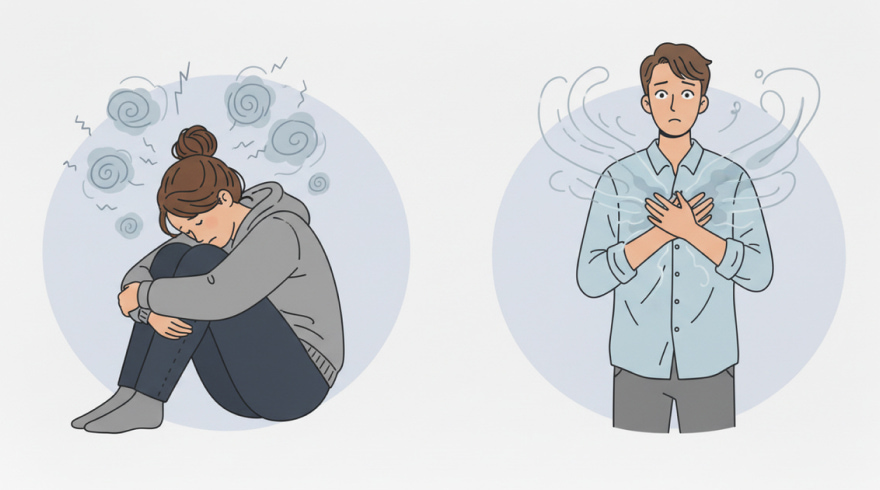
Different formats exist, and each one focuses on specific cues such as avoidance, fear intensity, and physical symptoms like trembling or blushing. A concise social anxiety questionnaire typically bundles these cues into short, focused items so you can rate frequency or severity without getting overwhelmed. That design keeps the process approachable while still capturing the nuances that matter for decision‑making.
- Screeners help organize experiences into consistent domains like anticipation, performance, and recovery.
- Scores can highlight triggers that deserve targeted strategies in therapy or self‑help plans.
- Repeated use over weeks shows whether coping tools are reducing distress in real settings.
How Screeners Work: Formats, Scoring, and Reliability
Sound screening tools rely on psychometrics, which means they’re tested for reliability (consistent results) and validity (measuring what they intend to measure). Items often ask how often you avoid situations, how intense fear becomes, and how quickly you bounce back afterward. Scoring then groups answers into patterns that reveal how significantly symptoms affect functioning at home, school, or work.
| Format | Typical Length | Best Use | Consideration |
|---|---|---|---|
| Ultra‑short screener | 5–7 items | Fast check to see if deeper evaluation is warranted | Great for quick triage, not for treatment planning |
| Standard self‑report | 10–30 items | Balanced view of symptoms, impairment, and avoidance | Requires honest reflection for accurate scoring |
| Clinician interview | 30–60 minutes | Diagnostic clarification and differential assessment | Needs trained professional and more time |
| Computer‑adaptive | Varies by answers | Personalized precision with fewer questions | Depends on algorithm quality and item bank |
Interpreting scores is as important as taking the tool itself, because context matters. A structured social anxiety assessment weighs frequency, intensity, and impact, producing a more nuanced picture than a single yes‑or‑no conclusion. That nuance helps you and a professional choose strategies that match your goals and time constraints.
Many people prefer something that feels less clinical but still informative. A short, game‑like social anxiety quiz can function as a gentle first step, offering digestible insights while lowering the barrier to self‑reflection. Insights become even more actionable when you revisit the same tool after practicing new coping skills.
- Look for tools with published reliability and validity metrics.
- Pick a format that you can complete without rushing, ideally in a calm environment.
- Re-test on the same instrument to track genuine change rather than random fluctuation.
Benefits, Limitations, and Safe Next Steps
Screeners save time by consolidating complex experiences into trackable indicators, enabling faster conversations with health professionals. They can also boost self‑awareness by showing how avoidance, self‑criticism, and physical arousal interact in specific settings such as classes, meetings, or dating. When scores suggest higher severity, the next step is discussing results with a qualified clinician who can personalize care.
It’s easy to forget that no single measure offers a complete picture. A focused social anxiety disorder test highlights probable patterns, yet it cannot replace a comprehensive clinical evaluation that rules out similar conditions or medical factors. Interpreting results in partnership with a professional prevents over‑ or under‑estimating what the numbers truly mean.
Age, culture, and environment also shape symptoms and coping styles. Family dynamics, school pressures, and peer comparison can amplify worries for social anxiety teens, which is why context‑sensitive interpretation is essential. When tools are combined with compassionate guidance, they become a springboard for practical change rather than a source of labels.
- Use results as a conversation starter, not a final verdict.
- Pay attention to impairment in daily roles, not just total scores.
- Return to the same instrument periodically to evaluate progress.
Age-Specific Considerations: Tailoring for Teens and Adults
Life stage influences triggers, goals, and coping resources, so it’s wise to pick tools that acknowledge developmental realities. Teens juggle social visibility at school, extracurriculars, and online platforms, while adults often navigate performance reviews, leadership demands, and caregiving. Each stage needs language and examples that feel relevant, otherwise items can miss the subtle ways anxiety shows up.
Schools and youth programs often need streamlined tools that fit a busy day. In these settings, a well‑designed social anxiety assessment teens option keeps items concise and contextually appropriate for classes, clubs, and online interactions. Streamlined phrasing improves engagement and makes follow‑up conversations easier for families and educators.
Career and relationship responsibilities shape priorities later on, and that framing should guide item selection. For workplace‑oriented screening, a targeted social anxiety assessment adults format includes examples about presentations, interviews, and networking that mirror real demands. Practical wording reduces confusion and increases the likelihood of accurate, candid answers.
- Pick tools with examples that match school or workplace realities.
- Adjust timing so the screener doesn’t feel rushed or intrusive.
- Invite supportive adults or mentors to discuss results collaboratively.
Choosing the Right Tool and Preparing for Accurate Results
Preparation improves accuracy, because self‑reflection is easier when you’re rested and focused. Completing items in a quiet space helps you recall recent situations without distraction. If your week was unusual, perhaps a big exam, a conference, or family events, note that context so scores are interpreted appropriately.
Different contexts call for different item sets, especially when work and home demands collide. For people balancing career goals and family duties, a targeted social anxiety questionnaire adults option ensures items resonate with meetings, caregiving, and social obligations. That resonance makes the experience feel relevant, which nudges more precise responses.
Some people want a playful on‑ramp that still yields meaningful direction. A conversational do i have social anxiety quiz can warm up reflection before you commit to a longer instrument, making the process less intimidating. When it’s easier to engage, you’re more likely to finish, and finishing provides the clarity you came for.
- Schedule a moment when you can focus without interruptions.
- Answer based on typical weeks, not exceptional days.
- Keep brief notes about triggers to discuss later with a professional.
Access, Cost, and Digital Privacy
Accessibility matters as much as accuracy, especially when stress already feels heavy. Many platforms offer intuitive interfaces, mobile‑friendly layouts, and options for saving progress. Before you begin, check whether the provider explains how your data is stored, who can see results, and how to delete them if you choose.
Younger people may benefit from privacy‑forward designs that minimize data collection, particularly in school settings. Practical safeguards are vital when screening illuminates sensitive issues relevant to social anxiety disorder in teens, because confidentiality encourages honest answers and appropriate support. Clarity about data handling builds trust and improves participation.
Cost shouldn’t be a barrier to self‑understanding, especially at the starting line. If you are exploring options and finances are tight, a reputable social anxiety test free alternative can provide initial direction without pressure or sign‑up fees. Early clarity often motivates thoughtful next steps toward care that fits your budget.
- Review privacy policies and data retention practices before you begin.
- Prefer platforms that allow data export or deletion on request.
- Consider community clinics or employee assistance programs for follow‑up care.
FAQ: Practical Answers About Social Anxiety Screening
How accurate are online screenings?
Quality varies, but well‑validated tools can strongly predict whether a detailed evaluation is warranted. Accuracy improves when questions match your real environments, when you avoid rushing, and when you answer based on typical weeks rather than extreme days. The best use of a screener is to guide next steps, not to serve as a stand‑alone diagnosis.
What score means I should seek professional help?
Any result highlighting substantial interference with school, work, or relationships merits a conversation with a trained clinician. Even moderate scores can justify care if distress is persistent, avoidance is growing, or important opportunities are being missed. If you’re unsure, use results to book a consult and ask for interpretation in context.
Can these tools help track progress during therapy?
Yes, repeating the same instrument at regular intervals offers a clear view of change. Consistent re‑testing reveals whether exposure exercises, skills practice, or medication adjustments are translating into less impairment. Trend lines often tell a more honest story than memory alone, which can be biased by recent events.
Are there red flags that require urgent attention?
Immediate support is essential if anxiety is accompanied by severe depression, self‑harm thoughts, substance misuse, or inability to perform basic daily tasks. In such cases, do not rely on a screening alone; contact emergency services or a local crisis line right away. Safety comes first, and urgent care can stabilize the situation before longer‑term planning.
How should parents or partners get involved?
Supportive involvement often improves outcomes when it respects privacy and autonomy. Loved ones can help with logistics, encourage follow‑through, and celebrate small wins while avoiding pressure or judgment. Shared understanding of triggers and coping strategies makes everyday life smoother and reinforces progress between sessions.
Latest News
-
![Understanding Anxiety Quiz: A Comprehensive Guide to Smarter Screening]() Understanding Anxiety Quiz: A Comprehensive Guide to Smarter Screening Online Anxiety Test: Take Assessment & Questionnaire Get Started What These Screeners Are and How They Work Self-assessment questionnaires help people translate vague worry, tension, and restlessness into patterns they can recognize and track. Built from validated psyc...
Understanding Anxiety Quiz: A Comprehensive Guide to Smarter Screening Online Anxiety Test: Take Assessment & Questionnaire Get Started What These Screeners Are and How They Work Self-assessment questionnaires help people translate vague worry, tension, and restlessness into patterns they can recognize and track. Built from validated psyc... - 17 December, 2025
-
![Anxiety Assessment: A Complete Guide to Methods and Tools]() Anxiety Assessment: A Complete Guide to Methods and Tools Online Anxiety Test: Take Assessment & Questionnaire Get Started Understanding Why Assessment Matters People use the word anxiety to describe anything from restless nights to consuming worry, yet clinicians treat it as a measurable condition with clear indicators. A th...
Anxiety Assessment: A Complete Guide to Methods and Tools Online Anxiety Test: Take Assessment & Questionnaire Get Started Understanding Why Assessment Matters People use the word anxiety to describe anything from restless nights to consuming worry, yet clinicians treat it as a measurable condition with clear indicators. A th... - 16 December, 2025
-
![A Complete Guide to GAD Anxiety Questionnaire and Practical Use]() A Complete Guide to GAD Anxiety Questionnaire and Practical Use Online Anxiety Test: Take Assessment & Questionnaire Get Started What It Is and How It Works The most trusted screening tools for worry and tension share a few core traits: brevity, clarity, and strong psychometrics. A good screener captures the frequency of excessive...
A Complete Guide to GAD Anxiety Questionnaire and Practical Use Online Anxiety Test: Take Assessment & Questionnaire Get Started What It Is and How It Works The most trusted screening tools for worry and tension share a few core traits: brevity, clarity, and strong psychometrics. A good screener captures the frequency of excessive... - 15 December, 2025