
Managing Performance Worries and Cognitive Overload
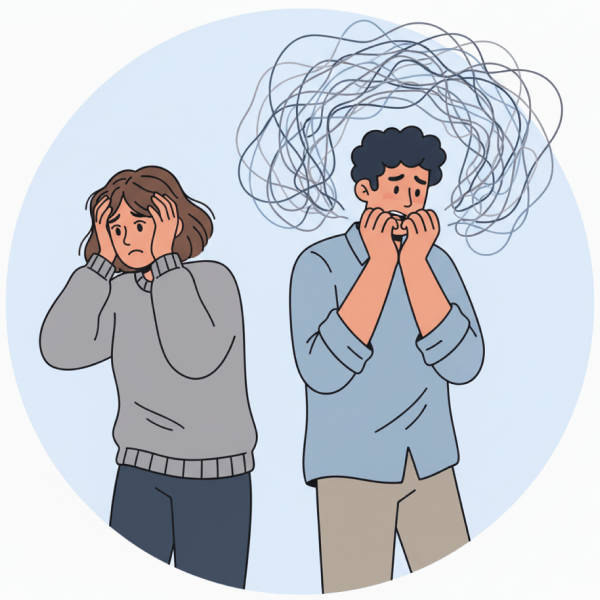
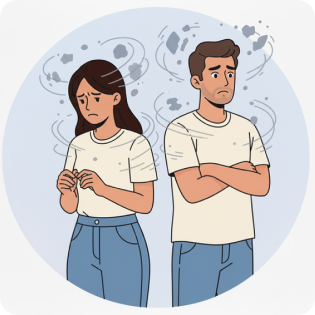
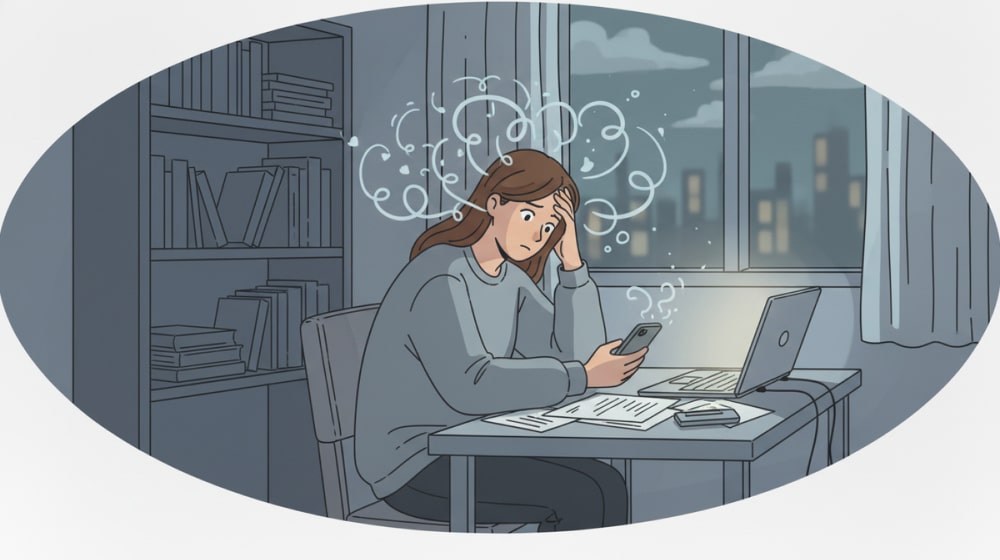
Big exams can stir a storm of emotions, anticipation, pressure, and a desire to succeed, while your body readies itself for a challenge. That biological surge sharpens attention and mobilizes energy, yet it can overshoot, turning butterflies into a knot. People describe racing thoughts, clammy palms, or a blank mind, even when they studied thoroughly. This response is normal, and it is changeable. Understanding what’s happening under the hood gives you levers to regulate it rather than battling it head‑on.
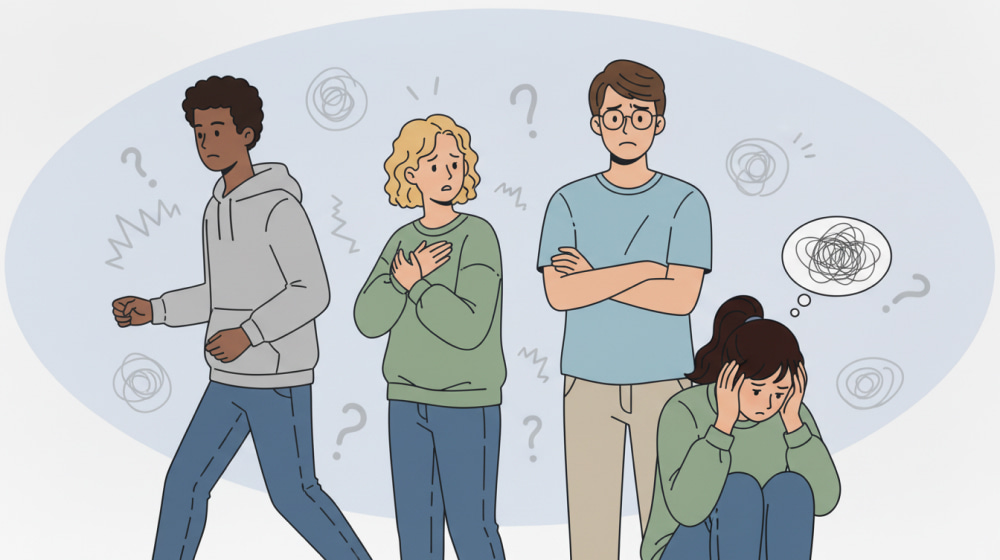
Performance worries often arise from the meaning we attach to grades, comparisons with peers, or fear of letting others down. In this context, many learners recognize the pattern commonly discussed as test anxiety, which blends cognitive worry with physical arousal in high‑stakes settings. When questions linger about intensity and impact, a brief conversation with a counselor can include a structured anxiety assessment, helping you differentiate between everyday nerves and something that deserves additional support.
- 1Notice typical triggers like time limits, unpredictable question formats, or strict proctors.
- 2Track how your body responds so you can match the right technique to the right moment.
- 3Shift from perfection to progress, focusing on controllable actions over imagined outcomes.
- 4Build pre‑exam rituals that cue calm, steadiness, and recall.
Identify Early Signs
Motivation often rises in step with meaningful stakes, and many learners discover extra grit when they learn to surf that wave rather than resist it. In school settings, educators can tailor support to groups such as anxiety in teens, using developmentally appropriate coaching and peer mentoring to turn jitters into momentum. When programs measure progress over time, a structured anxiety questionnaire can reveal improvements in coping skills, self‑talk, and sleep routines, which translates into steadier performance and greater satisfaction.
- 1Energy amplifies focus when paired with clear, specific goals.
- 2A sense of urgency can sharpen prioritization and cut procrastination.
- 3Sensations become cues for action, not alarms to escape.
Common Signs, Hidden Triggers, and What They Mean
Signals show up in the mind, the body, and behavior: mental static, restless energy, or last‑minute cramming that undermines rest. Triggers range from loud testing rooms to unexpected question stems, and even helpful habits, like coffee, can push arousal too high if mistimed. By mapping patterns, you can predict pinch points and build counter‑moves before walking into the exam room.
| Trigger | Typical Reaction | Helpful Reframe + Action |
|---|---|---|
| Clock pressure | Rushing and careless errors | Chunk time by section; mark and move, then loop back |
| Unfamiliar wording | Blanking despite knowing content | Underline verbs; translate to your own words first |
| Room noise or sensations | Spikes in heart rate and muscle tension | Box breathing; shoulder release; refocus to the prompt |
| Comparing to others | Catastrophic thinking and self‑doubt | Return attention to your plan: item, step, check |
Self‑monitoring provides a clear picture of your baseline and your progress without overpathologizing normal nerves. For quick check‑ins, some learners use an anxiety self rating scale, which helps connect sensations to specific interventions before, during, and after study sessions. If social settings around exams amplify worry, a focused screen can clarify patterns similar to a social anxiety test, guiding you toward strategies that reduce avoidance and improve participation. For more clinical clarity, clinicians sometimes employ the GAD anxiety questionnaire, which explores broader symptom clusters that might interact with exam performance and daily functioning.
Calming Skills That Work Under Pressure
Tools that endure beyond a single exam are the most valuable: breathing that steadies your physiology, self‑talk that grounds your attention, and planning that protects sleep and recall. Practice these in low‑stakes contexts first, then rehearse under mild pressure so they hold when the timer starts. Small, repeatable routines win out over last‑minute heroics.
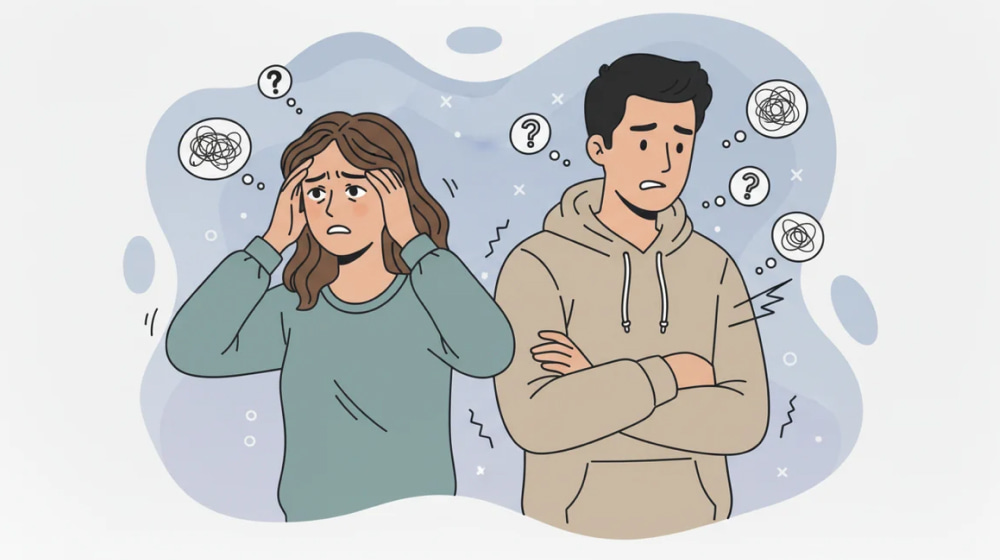
Digital resources can augment coaching, and some platforms package check‑ins alongside bite‑sized lessons; if access or convenience matters, you might prefer an option like an anxiety test online, which integrates reminders with progress tracking to reinforce habits. Learners on a tight budget often start with an anxiety test free, then combine the results with a personal plan that includes spaced practice, retrieval exercises, and brief relaxation drills woven into study blocks.
- 1Use 4‑7‑8 or box breathing to lower arousal within one minute.
- 2Write a fast thought script: “Notice → Name → Normalize → Next step.”
- 3Protect sleep by stopping screens and caffeine early the night before.
- 4Simulate conditions weekly: timer on, mixed questions, immediate feedback.
Some learners enjoy interactive tools, and they might start with an anxiety quiz to spot patterns in thoughts and habits that surface around study time. When questions become more specific, a concise do I have anxiety quiz can prompt conversations about support options, coping behaviors, and pacing changes that improve wellbeing. If symptoms feel pervasive, clinicians may recommend an anxiety disorder test, which helps distinguish situational worry from broader conditions that benefit from targeted care.
From Diagnostic Tests to Practical Accommodations
When symptoms feel broader than exams alone, a clinician can clarify the picture with a generalized anxiety disorder diagnostic test, then craft a plan that blends skills training with lifestyle adjustments to strengthen resilience. If social dynamics in classrooms or study groups play a role, a focused social anxiety assessment may guide accommodations, participation strategies, and graded exposure that make collaborative learning more comfortable.
FAQ: Fast Answers to Common Questions
- How do I know whether my nerves are typical or excessive?
Look at persistence, intensity, and impairment: does worry linger outside exams, and does it block daily life or sleep. For additional perspective, many people try a brief screen, and tools like an anxiety test can provide a snapshot that you can discuss with a counselor or health professional for next steps.
- What should I do the night before an exam?
Wind down earlier than usual, review only high‑yield cues, and stop heavy studying at least an hour before bed. Prepare your bag, clothes, and route, then visualize your first five minutes in the room so you start decisively. Protect sleep above all; memory consolidation depends on it.
- How can I stop blanking when a question looks unfamiliar?
Pause and breathe, then rewrite the prompt in your own words to uncover what it truly asks. Extract key verbs, list the givens, and attempt the first step to break inertia. Momentum often returns once you convert abstraction into a small concrete action.
- Does caffeine help or hurt on test day?
It depends on your sensitivity and timing. Moderate amounts earlier in the morning can aid alertness, but last‑minute doses may spike jitters. Practice your exact intake during mock exams so nothing is new when it counts.
- What if I run out of time consistently?
Run weekly simulations with strict timers to calibrate pacing by item type. Learn to mark and move, returning to time sinks only after banking accessible points. With practice, your internal clock becomes reliable and calm under pressure.
The Latest News
-
![A Comprehensive Guide to Screening for Social Anxiety: Tools, Accuracy, and Next Steps]() A Comprehensive Guide to Screening for Social Anxiety: Tools, Accuracy, and Next Steps Online Anxiety Test: Take Assessment & Questionnaire Get Started What the Screening Measures Feeling uneasy in social situations can range from everyday shyness to a clinical condition that disrupts work, school, or relationships. A well-constructed screening helps tra...
A Comprehensive Guide to Screening for Social Anxiety: Tools, Accuracy, and Next Steps Online Anxiety Test: Take Assessment & Questionnaire Get Started What the Screening Measures Feeling uneasy in social situations can range from everyday shyness to a clinical condition that disrupts work, school, or relationships. A well-constructed screening helps tra... - 18 December, 2025
-
![Understanding Anxiety Quiz: A Comprehensive Guide to Smarter Screening]() Understanding Anxiety Quiz: A Comprehensive Guide to Smarter Screening Online Anxiety Test: Take Assessment & Questionnaire Get Started What These Screeners Are and How They Work Self-assessment questionnaires help people translate vague worry, tension, and restlessness into patterns they can recognize and track. Built from validated psyc...
Understanding Anxiety Quiz: A Comprehensive Guide to Smarter Screening Online Anxiety Test: Take Assessment & Questionnaire Get Started What These Screeners Are and How They Work Self-assessment questionnaires help people translate vague worry, tension, and restlessness into patterns they can recognize and track. Built from validated psyc... - 17 December, 2025
-
![Anxiety Assessment: A Complete Guide to Methods and Tools]() Anxiety Assessment: A Complete Guide to Methods and Tools Online Anxiety Test: Take Assessment & Questionnaire Get Started Understanding Why Assessment Matters People use the word anxiety to describe anything from restless nights to consuming worry, yet clinicians treat it as a measurable condition with clear indicators. A th...
Anxiety Assessment: A Complete Guide to Methods and Tools Online Anxiety Test: Take Assessment & Questionnaire Get Started Understanding Why Assessment Matters People use the word anxiety to describe anything from restless nights to consuming worry, yet clinicians treat it as a measurable condition with clear indicators. A th... - 16 December, 2025

Please Note
This website (anxietyassessment.net) is not an official representative, creator or developer of this application, or product. All the copyrighted materials belong to their respective owners. All the content on this website is used for educational and informative purposes only.