Helping Adolescents Navigate Anxiety: A Comprehensive Guide
- 11 December 2025
What Anxiety Looks Like in Adolescence
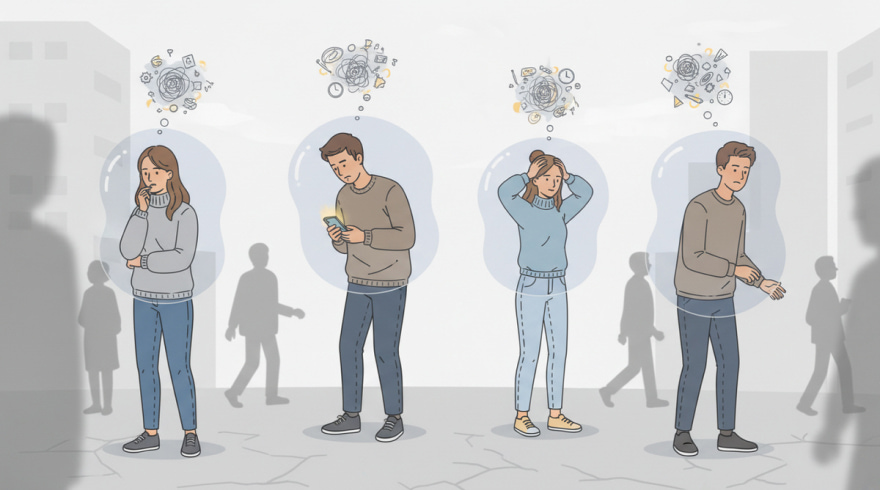
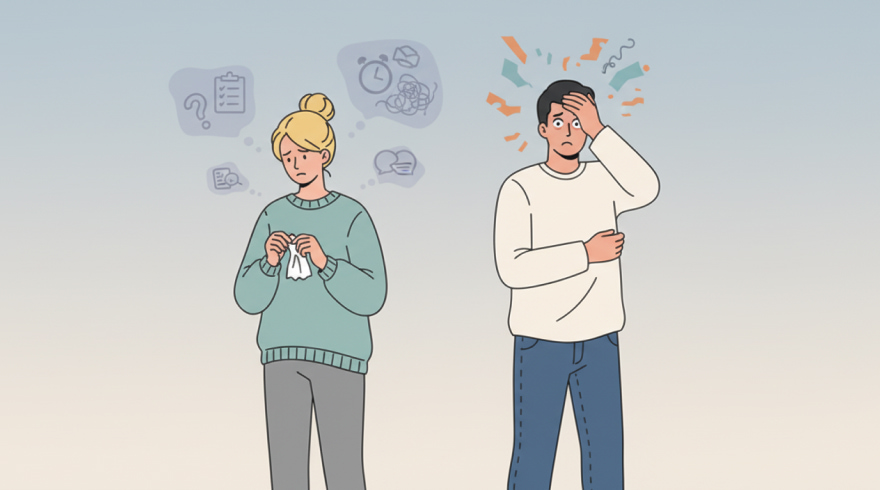
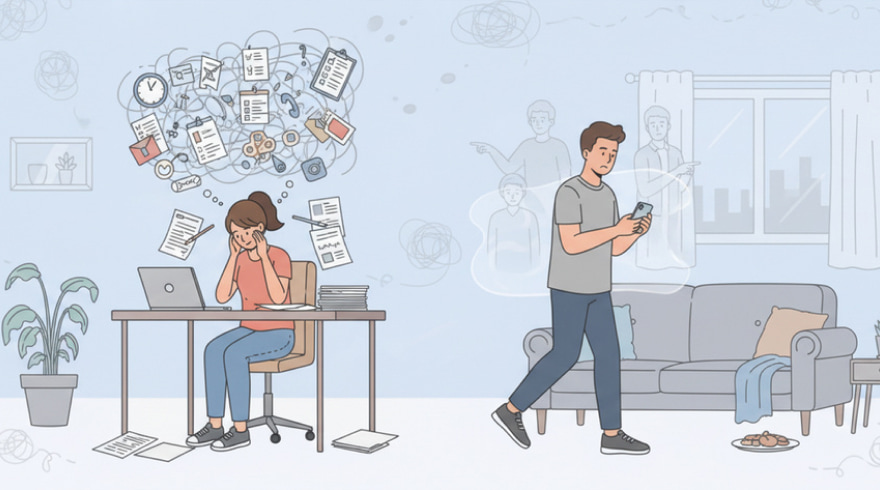
Adolescence can feel like a rush of firsts: first big exams, first romances, first independence, and first brushes with adult-level stress. For many young people, this intensity can tip from manageable worry into persistent unease that interrupts sleep, appetite, and attention. Instead of shrugging off these experiences as “just a phase,” caregivers and educators benefit from recognizing how emotions are expressed at this life stage. Irritability may replace tears, avoidance may masquerade as rebellion, and perfectionism may hide deep fears. Because teen brains are still calibrating impulse control and long-range planning, internal discomfort often shows up as external behavior.
Families often notice that mood swings linger longer than expected, and that motivation drops in areas once cherished. In many homes, anxiety teens struggle to explain their inner whirlwind, so they rely on silence or sarcasm as a shield. Educators may misread a quiet student as disengaged rather than overwhelmed, and peers might label a friend “flaky” when they cancel plans to reduce stress. When adults interpret these patterns with curiosity rather than criticism, trust grows. That trust becomes the bridge to conversations about coping tools, counseling options, and self-care routines that fit a teen’s real context.
- Watch for patterns over time, not one-off tough days.
- Ask about body cues such as headaches, stomachaches, or rapid heartbeat.
- Normalize support-seeking as a brave, practical step.
Root Causes and Risk Factors
Multiple factors can nudge a teen from transient worry into persistent distress. Genetics can heighten sensitivity, while early learning histories teach the nervous system what signals to prioritize. Social dynamics, academic expectations, and online comparison loops can amplify threat detection, especially when sleep is short and schedules are overloaded. Identity milestones around culture, gender, or orientation may add layers of vigilance in settings that feel unsafe or invalidating. Even good stress, like a new team or advanced class, can stretch coping beyond capacity without recovery time.
Environmental inputs also matter, including family transitions, neighborhood stressors, or sudden changes like relocation. Many caregivers notice that teens anxiety spikes around key transitions such as the start of a school term or after a conflict with friends. Substance use, caffeine overload, and inconsistent meals can further destabilize mood and energy. On the protective side, steady routines, trusted mentors, and clear boundaries reduce unpredictability. When risk and resilience are evaluated together, plans become both compassionate and realistic, building confidence instead of shame.
- Map stress hotspots across school, home, activities, and online life.
- Balance demands with recovery: sleep, nutrition, movement, and downtime.
- Invite teens to co-design supports, respecting autonomy.
Signs and Symptoms to Watch
Warning signs often appear in layers, from subtle to obvious. Early cues can include restlessness, a wandering mind, and trouble initiating tasks that were once automatic. Physically, the body might signal distress through muscle tension, stomach discomfort, or a racing heart before a test or social event. Emotional shifts may show up as irritability, snap judgments, or a low threshold for frustration. As strain accumulates, avoidance grows: skipping classes, procrastinating, or declining invitations to preserve a sense of safety.
Caregivers frequently report sleep disruptions and a persistent sense of dread on Sundays before the school week. In many cases, anxiety symptoms teens display include spiraling thoughts, catastrophizing, or repetitive reassurance-seeking. Teachers might notice concentration lapses or an outsized fear of mistakes. Friends may observe withdrawal or over-apologizing. A practical approach is to track patterns for two weeks, noting triggers, intensity, and recovery time. This simple log clarifies whether stress is situational or pervasive, guiding the next steps without guesswork.
- Cluster signs into body, thoughts, feelings, and actions to spot trends.
- Rate intensity from 1–10 to monitor change over time.
- Pair observations with compassionate check-ins, not interrogation.
Types of Anxiety That Commonly Emerge
Several distinct presentations rise during adolescence, each with unique drivers and supports. Performance-based fears might center on grades, sports tryouts, or auditions. Some teens become hypervigilant about peer impressions, while others worry about health, safety, or future outcomes they cannot control. Panic episodes, when they occur, can feel sudden and alarming, often leading to fear of the next episode and avoidance of places associated with past surges. Understanding the specific pattern is crucial because matching strategies to the pattern boosts effectiveness.
Within peer-heavy environments, social anxiety teens often navigate an internal narrator that critiques every glance or comment. That script fuels safety behaviors such as avoiding eye contact, rehearsing lines, or skipping group work. Over time, these short-term protections harden into barriers that limit growth. A different pathway appears in family-centered worries, where a young person dreads being away from caregivers or home. In those cases, exposure must be gentle and collaborative, building tolerance without overwhelming the nervous system.
When home feels like the only safe place, separation anxiety teens may resist trips, sleepovers, or school attendance despite wanting to participate. Compassionate scaffolding, short practice outings, predictable routines, and celebratory milestones, gradually widens their comfort zone. With clear guidance, teens learn to reinterpret body cues as information rather than emergency sirens. That mindset shift, paired with skills training, allows everyday challenges to become training grounds for resilience rather than evidence of failure.
Assessment, Screening, and When to Seek Help
When patterns persist for weeks and interfere with school, relationships, or health, a structured evaluation is wise. A thorough process blends teen self-report, caregiver observations, and professional judgment to avoid overpathologizing normal developmental turbulence. Ethical assessors prioritize cultural humility, trauma awareness, and collaborative goal-setting. They aim to distinguish stress reactivity from clinically significant impairment, ensuring that recommendations are targeted, proportionate, and practical for the family’s realities.
Many families begin with brief screeners before booking a full evaluation, and clinicians often integrate multi-informant tools into their intake. During this step, anxiety assessment teens approaches combine rating scales with interviews to capture both frequency and impact. Because context matters, assessors ask about sleep, nutrition, exercise, medical history, and recent transitions. The resulting profile guides a support plan that may include skills training, school accommodations, and caregiver coaching alongside therapy.
Short, validated screeners can help decide whether further evaluation is needed, and schools often provide referrals to community resources. In many clinics, anxiety test teens protocols are paired with safety planning when panic or self-harm risk is present. Clear feedback sessions translate findings into everyday language and outline a stepwise path forward. Follow-up check-ins track progress and adjust strategies, avoiding a one-and-done approach that leaves families without a roadmap.
| Tool | Best For | Time | What It Shows | Next Step |
|---|---|---|---|---|
| Brief Self-Report Scale | First-line screening | 5–10 min | Current distress and interference | Decide on monitoring vs. referral |
| Parent/Caregiver Checklist | Home and routine patterns | 10–15 min | Behavior frequency across settings | Share with school or clinician |
| Clinical Interview | Comprehensive evaluation | 45–60 min | History, triggers, functional impact | Create a tailored care plan |
| School Report | Academic and peer functioning | Variable | Attendance, participation, performance | Adjust accommodations and supports |
Practical Coping Skills and Daily Routines
Skills work best when practiced in calm moments and then applied during challenge. Start with the body: paced breathing, progressive muscle relaxation, and brief movement “snacks” regulate physiology. Pair those with thought skills like cognitive defusion, where teens learn to see a thought as a passing event rather than a command. Small exposure steps, answering one question in class, attending a club for ten minutes, riding the bus one stop, teach the brain that discomfort can be tolerated and survived. Over time, momentum grows and avoidance shrinks.
It helps to build a menu of options that fit into school days without drama, such as a two-minute grounding routine before tests or a supportive message saved in a phone note. In peer-facing moments, teens social anxiety can practice “opposite action”: making eye contact, asking a simple question, or sharing one idea in a group. After each attempt, a quick reflection on what went well consolidates learning. Reward consistency rather than perfection, and keep the focus on values, friendship, creativity, curiosity, so effort feels meaningful.
- Anchor the day: regular wake time, sunlight, hydration, and movement.
- Use micro-goals with clear starts and finishes to reduce overwhelm.
- Pair exposure steps with compassionate self-talk and recovery time.
School, Family, and Community Support
Collaboration multiplies progress. At school, counselors and teachers can arrange gentle accommodations such as alternate presentation formats, brief breaks, or strategic seating. These supports are most effective when they are time-limited and paired with skill-building rather than becoming permanent workarounds. Families can coordinate routines that preserve sleep and nutrition while making room for hobbies that restore energy. Community programs, peer groups, and culturally sensitive services add belonging and perspective that individual work alone cannot provide.
Some adolescents need more specialized care when avoidance becomes entrenched or panic escalates. In such cases, social anxiety disorder teens may benefit from evidence-based therapies that combine exposure, cognitive techniques, and caregiver participation. Medication can be considered in consultation with a qualified prescriber, especially when severe symptoms block engagement in therapy. Progress reviews every few weeks ensure that supports evolve as confidence grows, preventing both under-treatment and unnecessary prolongation of accommodations.
- Share a simple plan across home and school with clear roles and timelines.
- Track wins, not just setbacks, to reinforce resilience.
- Refresh goals each quarter to maintain a growth trajectory.
Benefits of Early Understanding and Action
Acting early pays dividends across academics, friendships, and health. When teens and caregivers learn the mechanics of worry, they stop personalizing symptoms as character flaws. That reframe reduces shame and frees up energy for practice. Early support also prevents the snowball of avoidance that turns small stressors into big limitations. Over months, consistent skill use compounds like interest, leading to better sleep, steadier attention, and more courage to try hard things. These gains often spill into leadership, creativity, and community engagement.
Families sometimes start with low-stakes tools to encourage reflection and normalize conversation. In many homes, anxiety quiz teens tools serve as a nudge to discuss patterns and set shared goals. By externalizing the problem, “our nervous system needs training”, teens feel less blamed and more empowered. As confidence rises, exposure steps can expand and accommodations can taper thoughtfully. The ultimate benefit is not a life without stress, but a life where discomfort is a teacher rather than a jailer.
- Faster identification means shorter recovery and fewer academic disruptions.
- Shared language reduces conflict and increases teamwork.
- Values-driven goals keep motivation steady during tough weeks.
FAQ: Quick Answers for Caregivers and Teens
How do I know when worry has become a problem?
Typical stress becomes a concern when it consistently disrupts sleep, appetite, relationships, or school performance. Track signs for two weeks and notice whether recovery is slow and avoidance is growing. If functional impact is clear, consider a consult with a school counselor or healthcare provider to map next steps that fit your context. Early clarity helps you avoid both overreaction and delay.
What should I look for in a professional evaluation?
A quality evaluation includes teen voice, caregiver input, and observations across settings. You should see attention to culture, identity, and recent life changes, plus clear feedback that translates jargon into actionable steps. In many clinics, social anxiety assessment teens procedures are combined with collaborative goal-setting to ensure plans are doable. Ask for a written summary so everyone understands the strategy.
Can digital tools help us get started?
Short digital screeners can spark conversation and normalize help-seeking. These tools are not a diagnosis, but they can highlight patterns worth exploring with a professional. Many families use results to set small goals and to decide whether to monitor, self-help, or seek care. Choose options with privacy safeguards and evidence-based design.
What if my teen avoids social situations completely?
Start with tiny, predictable steps that are chosen collaboratively and practiced consistently. Exposure should be uncomfortable but tolerable, with a clear exit ramp and recovery time. Some families also add peer or group formats to make practice more natural. For tracking progress and building insight, social anxiety quiz teens resources can complement coaching from a clinician.
How do we talk about this without increasing shame?
Use curious, nonjudgmental language and focus on shared problem-solving. Replace labels with observations and align on values that matter to your teen. Celebrate effort, not just outcomes, and model your own coping strategies openly. Over time, these conversations build trust and make skill practice feel like teamwork rather than punishment.
Latest News
-
![A Comprehensive Guide to Screening for Social Anxiety: Tools, Accuracy, and Next Steps]() A Comprehensive Guide to Screening for Social Anxiety: Tools, Accuracy, and Next Steps Online Anxiety Test: Take Assessment & Questionnaire Get Started What the Screening Measures Feeling uneasy in social situations can range from everyday shyness to a clinical condition that disrupts work, school, or relationships. A well-constructed screening helps tra...
A Comprehensive Guide to Screening for Social Anxiety: Tools, Accuracy, and Next Steps Online Anxiety Test: Take Assessment & Questionnaire Get Started What the Screening Measures Feeling uneasy in social situations can range from everyday shyness to a clinical condition that disrupts work, school, or relationships. A well-constructed screening helps tra... - 18 December, 2025
-
![Understanding Anxiety Quiz: A Comprehensive Guide to Smarter Screening]() Understanding Anxiety Quiz: A Comprehensive Guide to Smarter Screening Online Anxiety Test: Take Assessment & Questionnaire Get Started What These Screeners Are and How They Work Self-assessment questionnaires help people translate vague worry, tension, and restlessness into patterns they can recognize and track. Built from validated psyc...
Understanding Anxiety Quiz: A Comprehensive Guide to Smarter Screening Online Anxiety Test: Take Assessment & Questionnaire Get Started What These Screeners Are and How They Work Self-assessment questionnaires help people translate vague worry, tension, and restlessness into patterns they can recognize and track. Built from validated psyc... - 17 December, 2025
-
![Anxiety Assessment: A Complete Guide to Methods and Tools]() Anxiety Assessment: A Complete Guide to Methods and Tools Online Anxiety Test: Take Assessment & Questionnaire Get Started Understanding Why Assessment Matters People use the word anxiety to describe anything from restless nights to consuming worry, yet clinicians treat it as a measurable condition with clear indicators. A th...
Anxiety Assessment: A Complete Guide to Methods and Tools Online Anxiety Test: Take Assessment & Questionnaire Get Started Understanding Why Assessment Matters People use the word anxiety to describe anything from restless nights to consuming worry, yet clinicians treat it as a measurable condition with clear indicators. A th... - 16 December, 2025